
Mango categories
Mango varieties by category and lineage
Mangoes fall into a few broad lineages, from fibrous monoembryonic Indian types to buttery polyembryonic selections from Southeast Asia and modern hybrids. Each group has its own look, aroma, and texture.
Major categories
Three broad mango families
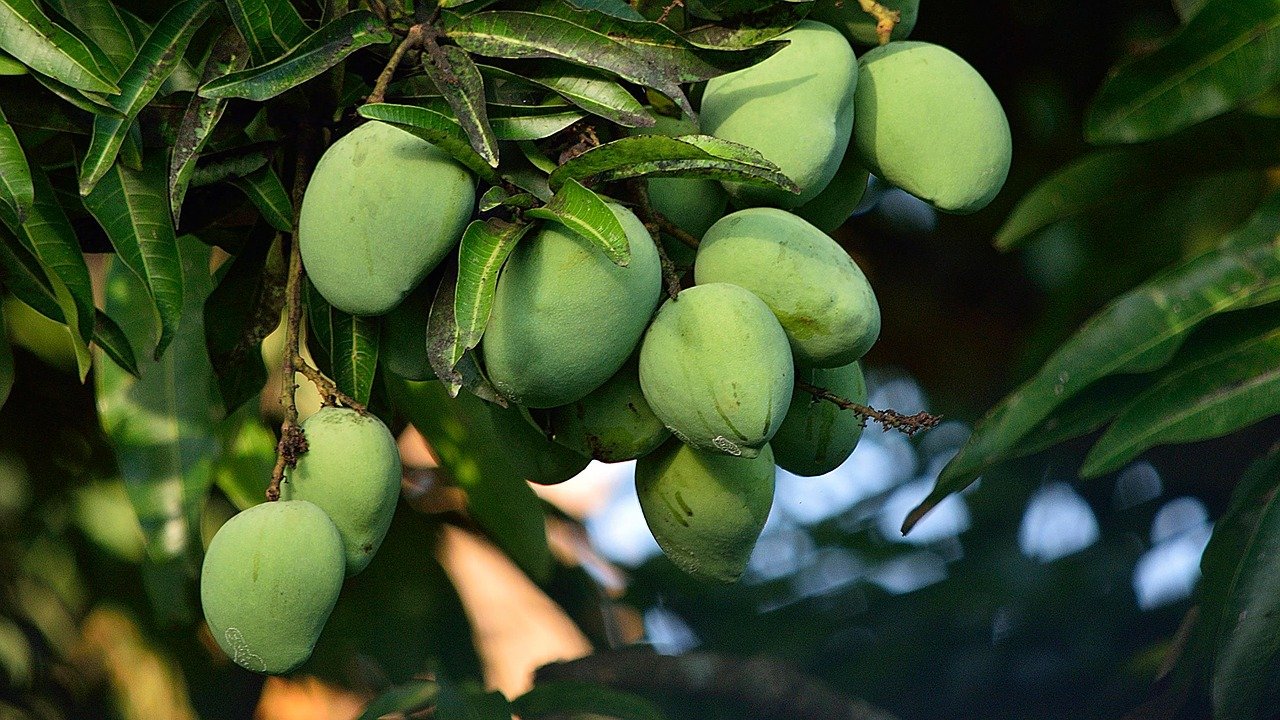
Monoembryonic
Indian monoembryonic mangoes
Each seed produces a single seedling, so these trees tend to grow true to type. Many have firm, fibrous flesh and rich, resinous aroma that suits slicing and chutneys.
Polyembryonic
Mangifera Indica
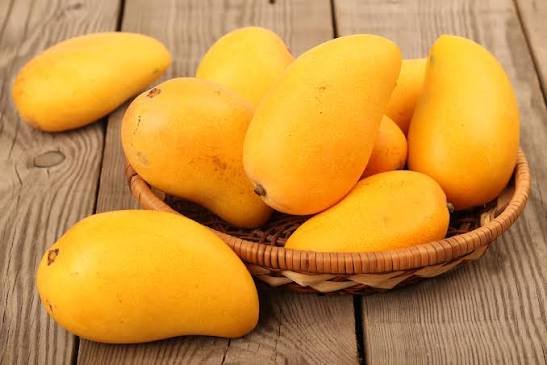
These trees produce several seedlings from one seed, which often leads to smaller, sweeter fruit with smooth, buttery flesh. They are favored for eating fresh and for sticky-rice desserts.
Hybrids
Hawaiian mangoes
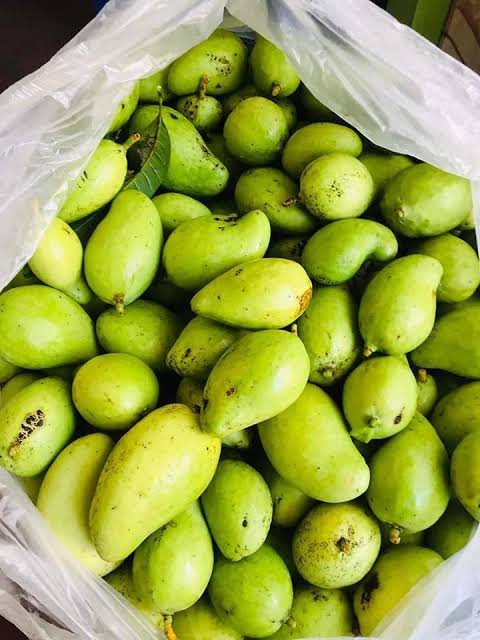
We promote traditional lines to combine disease resistance, resets, reliable yields, and consistent sweetness. Hybrids often have uniform size and color, dice which makes them easy to identify in markets.
Compare cultivars
Contrasting varieties at a glance
Flesh fiber, sweetness, skin blush, and best uses differ widely. Use these notes to choose the right mango for eating, cooking, or blending.
Fiber and sweetness
Fibrous, rich, and sharp
Some traditional varieties carry stringy flesh and a sharper, complex sweetness. They hold up well in curries, pickles, and juices where texture matters.
Blush and aroma
Vivid skin, floral notes
Mangoes with deep red or orange blush often carry bright, floral aroma. Skin color is a helpful cue, but ripeness, weight, and fragrance are better guides.
Culinary use
Match the fruit to the dish
Buttery, low-fiber mangoes suit fresh eating, smoothies, and desserts. Firmer types stand up to grilling, salsas, and chutneys without falling apart.